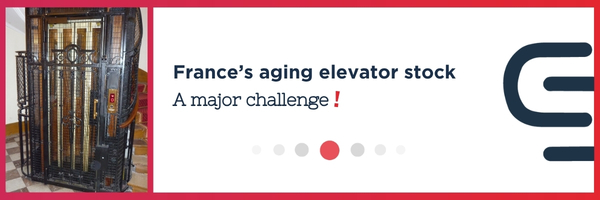
France's aging elevator stock
June 9, 2026A Growing Challenge for Building Owners and Elevator Professionals
Half of the French elevator stock is over 25 years old (Source : IPSOS Barometer – French Lift Federation). Many installations commissioned several decades ago continue to transport millions of passengers every day.
While regular maintenance often ensures satisfactory reliability, the natural aging of equipment inevitably raises concerns regarding availability, safety, and maintainability. According to the same survey, 94% of French citizens consider the replacement of outdated elevators a priority as part of building renovation projects.
In the field, lift companies and property managers are facing a clear reality : some spare parts are no longer manufactured, while some equipment has reached the limits of its technical lifespan. In this context, anticipation becomes essential to avoid extended lift downtime.
Door Wear and Tear
Since the widespread requirement to install car doors in the early 1990s in France, many installations have now accumulated more than 35 years of operation. Every day, these doors perform hundreds of opening and closing cycles.
Over time, several components naturally wear out, including:
- Door rollers
- Guide shoes
- Connection cables
- Door operators and drive systems
- Mechanical locking devices
When spare parts remain available, repair is generally the preferred solution. However, when manufacturers have discontinued production, replacement often becomes the only viable alternative.
Spare Parts Availability : A critical issue
One of the main causes of prolonged elevator outages is the unavailability of spare parts.
Lift companies always seek to maximize the lifespan of existing installations by prioritizing repairs whenever technically feasible. However, some door models and components no longer have compatible spare parts available on the market.
This situation can lead to:
- Longer intervention lead times
- Custom manufacturing requirements
- Additional costs
- Extended elevator downtime
For housing associations, social landlords and property managers, it is therefore essential to understand the actual condition of their elevator stock and to anticipate necessary replacements.
Prevention and Anticipation: The best way to minimize downtime
The most effective way to avoid long-term service interruptions is through preventive maintenance.
During routine maintenance visits, technicians can identify the first signs of ageing equipment.
Monitoring early signs of wear
The following warning signs should not be ignored:
- Unusual noise from door operators or drive systems
- Jerky movements during opening or closing
- Visible wear on rollers or guide shoes
- Repeated lock malfunctions
- General deterioration of door mechanisms
Replacing components before failure occurs
When spare parts are still available, preventive replacement often helps avoid more significant failures and costly downtime.
In situations where components are becoming difficult to source, it is advisable to initiate a modernisation or repair project as early as possible. This proactive approach allows work to be planned rather than carried out under emergency conditions.
Vandalism: Another common cause of replacement
Beyond normal aging, vandalism remains a significant cause of elevator door damage.
In certain residential buildings or high-traffic facilities, doors can suffer impacts, deformation or damage that makes repair impossible.
In these situations, rapid intervention becomes critical to restore elevator service quickly and minimize disruption for building occupants.
Repair or Modernisation : Two complementary approaches
Every situation requires an appropriate solution.
Repair
When spare parts remain available, repair is generally the fastest and most cost-effective option. It extends the service life of the installation while limiting investment costs.
Modernization
When equipment has become obsolete or spare parts are no longer available, modernization becomes the most relevant solution.
Modernization offers several benefits :
- Improved reliability
- Reduced risk of breakdowns
- Secured spare parts availability
- Extended service life of the elevator
Slycma’s fast replacement solutions
When emergencies occur, rapid intervention is essential.
To support lift companies and portfolio managers, Slycma offers solutions designed to significantly reduce replacement lead times:
- Standard hinged landing doors available within 48 hours
- Standardised JET-S car doors available within 10 days
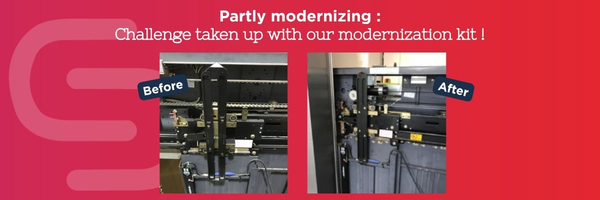
- Modernisation kits for car door repairs
This approach helps minimise downtime and restore service as quickly as possible.
Acting today to ensure availability tomorrow
The ageing of the French lift stock is a reality affecting every stakeholder in the industry. While some failures remain unpredictable, a large proportion of downtime can be avoided through rigorous preventive maintenance and proactive planning of equipment replacement.
For both property managers and lift companies, having a clear understanding of their installed base, identifying aging equipment, and planning modernization projects are now essential levers to ensure service continuity, passenger comfort, and long-term operational reliability.